Prayer is not a modern concept. It is as old as humanity itself.
The Bible is filled with real men and women who prayed — and got real results. Their prayers moved mountains, opened wombs, brought down rain, raised the dead, and changed the course of entire nations.
This is not just a list. These are stories. Stories of desperate people, faithful people, and broken people who all had one thing in common — they talked to God. And God listened.
If you want to deepen your prayer life, studying people who prayed in the Bible is one of the most powerful places to start.
If you want to read more prayers then visit the page.
Who Are the People Who Prayed in the Bible?
The Bible is full of men and women of prayer — from shepherds to kings, from grieving mothers to imprisoned apostles. What made them stand out was not their perfection. It was their persistence.
A person of prayer in Scripture is someone who consistently turned to God in every season — in joy, in crisis, in confusion, and in worship. They did not pray only when things were bad. They prayed because they believed God was real and that He was listening.
What sets biblical prayer apart from religious ritual? It was always personal. It was always honest. And it was always anchored in faith.
According to a Pew Research Center study, 55% of Americans pray every day. Yet many admit they don’t know how to pray or who to model their prayers after.
Must Visit: Powerful End of Year Prayers and Blessings for the Coming Year
30 Famous People Who Prayed in the Bible and What Happened
These are the most powerful biblical prayer warriors — from the Old Testament to the New. Each one carries a lesson for your own prayer journey.
Old Testament People Who Prayed in the Bible
Abraham — The Intercessor
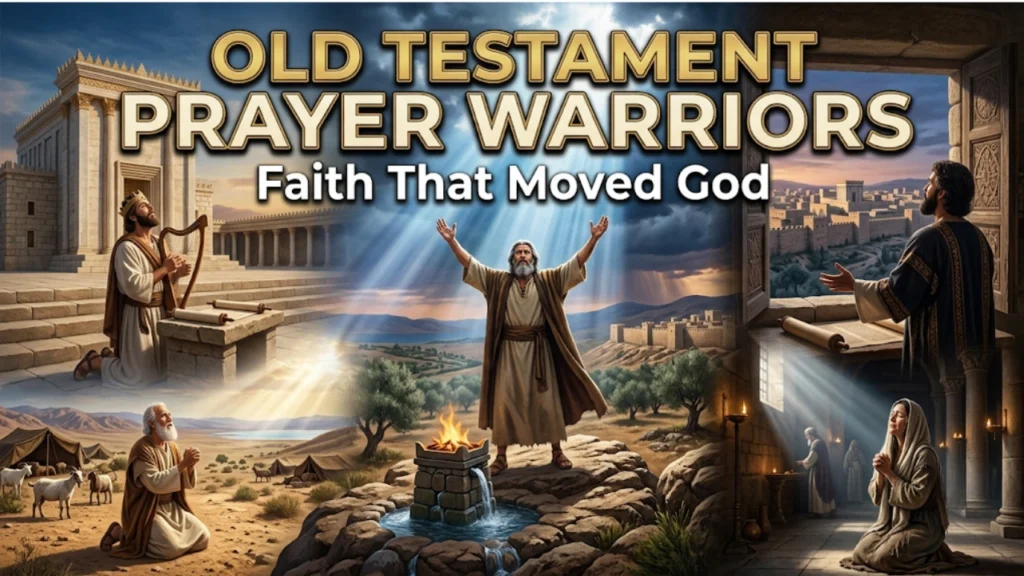
Abraham is one of the first great intercessors in the Bible. In Genesis 18, he boldly negotiated with God to spare the city of Sodom. He did not pray for himself — he prayed for others. This is the heart of intercessory prayer.
Hannah — The Desperate Believer
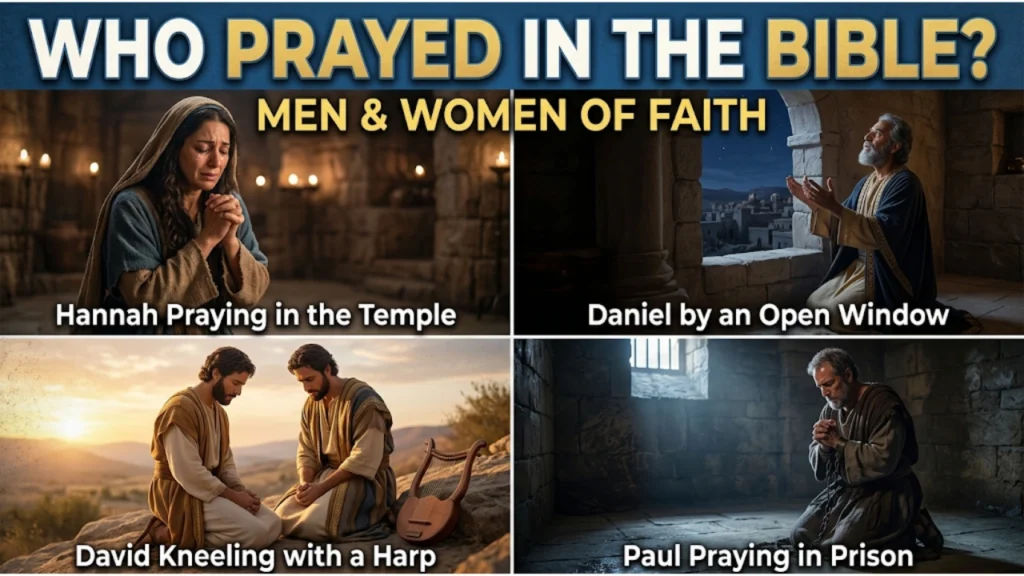
Hannah could not have children. And that pain drove her to her knees. In 1 Samuel 1:10–17, she wept and prayed with such intensity that the priest Eli thought she was drunk. Her lips moved but no sound came out. That is what fervent prayer looks like — raw, real, and relentless. God opened her womb. She gave birth to Samuel, one of Israel’s greatest prophets.
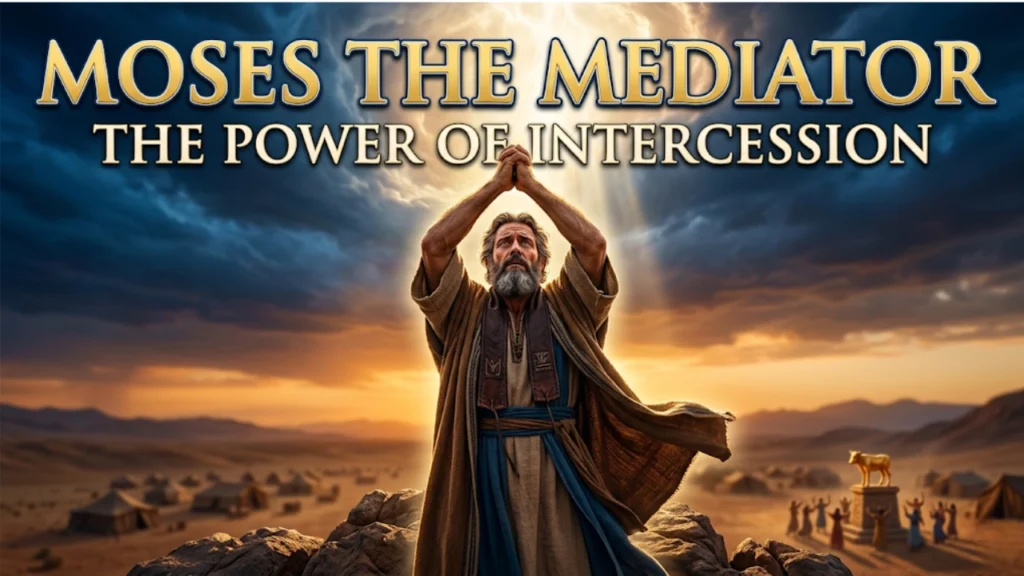
Moses — The Mediator
Moses had some of the most extraordinary conversations with God in all of Scripture. But his greatest prayer was not for himself. When God was about to destroy the Israelites for worshipping the golden calf, Moses stepped in (Exodus 32). He pleaded for his people. God relented. Intercessory prayer can literally change what God does.
David — The Repentant Worshipper
David was a warrior. But he was also one of the most tender prayer warriors in the Bible. Psalm 51 shows us a man who had sinned deeply — and came to God with nothing but honesty and a broken heart. His prayers were not polished. They were real. That is why God called him a man after His own heart (Acts 13:22).
Solomon — The Wisdom Seeker
When God told Solomon to ask for anything, Solomon asked for wisdom (1 Kings 3:9). That was a prayer. One of Solomon’s most celebrated prayers was the dedication of the Temple in 1 Kings 8:22–54. He spread his hands toward heaven and asked God to hear every prayer offered in that house. It remains one of the most comprehensive prayers of consecration ever recorded.
Elijah — The Rain Caller
Elijah prayed and the rain stopped. He prayed again and it came back. James 5:17–18 confirms this — and it adds something powerful: “Elijah was a human being, even as we are.” He was not a superhero. He was an ordinary man with extraordinary faith. He also prayed for a widow’s dead son — and the boy came back to life (1 Kings 17:21).
Daniel — The Unbreakable Intercessor
Daniel prayed three times a day, every single day (Daniel 6:10). Even when a law was passed making prayer punishable by death, he opened his window toward Jerusalem and prayed anyway. His prayer in Daniel 9:3–19 — with fasting, sackcloth and ashes — is one of the most moving prayers of national repentance in all of Scripture.
Nehemiah — The Wall Builder Who Prayed First
Before Nehemiah laid a single stone, he prayed. In Nehemiah 1:4–11, he fasted and wept for days before making his request to King Artaxerxes. Then, in the middle of a conversation with the king (Nehemiah 2:4), he stopped and shot up a quick, silent prayer before answering. Prayer was woven into everything he did.
Hezekiah — The King Who Prayed for His Life
Hezekiah was told by the prophet Isaiah that he would die. Instead of accepting it, he turned his face to the wall and prayed (2 Kings 20:2–3). God heard him. He was given 15 more years of life. His prayer against the threat of the Assyrian army (2 Kings 19:14–19) — where he spread the enemy’s letter before the Lord — is a masterclass in bringing your problems literally to God.

Jeremiah — The Weeping Prophet
Jeremiah prayed through heartbreak, rejection, and national collapse. His prayer in Jeremiah 32:16–25 acknowledges God’s power — “Nothing is too difficult for You” — even as the city was falling to the enemy. He did not sugarcoat reality. He brought it all to God.
Jabez — The Bold Asker
His name literally meant “pain.” But Jabez refused to let his past define his future. In 1 Chronicles 4:10, he asked God to bless him, enlarge his territory, and keep him from harm. God granted his request. Bold, specific prayer produces bold, specific results.
Esther — The Queen Who Fasted
When Esther learned that her people were marked for death, she did not run to the palace first. She ran to God. She called for three days of fasting and prayer (Esther 4:16). Then she went to the king. What looks like courage was really faith that had already been won in the place of prayer.
Jacob — The One Who Wrestled
Jacob literally wrestled with God through the night and would not let go until he received a blessing (Genesis 32:26). He walked away with a limp — and a new name: Israel. Prevailing prayer sometimes costs you something. But what you gain is far greater.
Jonah — The Prayer from the Deep
Jonah prayed from inside a fish (Jonah 2:1). If that is not a picture of desperate, no-other-option prayer, nothing is. And God heard him. The fish spat him out onto dry land. No place is too dark, too deep, or too hopeless for prayer to reach.
Samson — The Broken Warrior
Near the end of his life, blind and humiliated, Samson prayed one final time: “O Lord God, remember me and strengthen me just this once” (Judges 16:28). God answered. Even a broken man, in his weakest moment, can receive the strength of God through prayer.
Deborah — The Praying Judge
Deborah led Israel as a judge and prophetess. After the victory over the Canaanites, she broke into a song of praise that ended in prayer (Judges 5). Her life shows us that leadership and prayer are inseparable.
Ezra — The Confessor
When Ezra learned of the sins of Israel, he fell on his knees, spread his hands to God, and wept (Ezra 10:1). His public prayer of confession triggered a national revival. A whole assembly gathered and wept with him. One person’s sincere prayer can ignite corporate repentance.
New Testament People Who Prayed in the Bible

Jesus — The Perfect Model of Prayer
Jesus is the ultimate example of a prayer warrior in the Bible. He prayed before major decisions. He prayed for others — for Peter (Luke 22:32), for us (John 17), for his killers (Luke 23:34). He prayed in the Garden of Gethsemane when the weight of the world was on His shoulders. He prayed at the feeding of 5,000. He rose early to pray alone (Mark 1:35). Prayer was not something Jesus did occasionally — it was who He was.
Paul — The Imprisoned Worshipper
Paul prayed while chained in prison. At midnight, he and Silas prayed and sang hymns — and an earthquake shook the foundations of the jail (Acts 16:25). His letters are filled with prayers of intercession for the early churches. Philippians 4:6 — “Do not be anxious about anything, but in every situation, by prayer and petition, with thanksgiving, present your requests to God” — was written from a prison cell.
Peter — The Kneeling Apostle
Peter knelt and prayed before raising Tabitha from the dead (Acts 9:40). He was also in prayer when God showed him the vision that led him to Cornelius. Prayer positioned Peter for divine direction. His shortest prayer ever? “Lord, save me!” — three words, drowning in water, and Jesus caught him immediately (Matthew 14:30).
Anna the Prophetess — The Night-and-Day Prayer Warrior
Anna was an 84-year-old widow who never left the Temple. She served God with fasting and prayer night and day (Luke 2:37). When Mary and Joseph brought baby Jesus to the Temple, Anna recognized Him immediately. Decades of prayer had sharpened her spiritual sight.
Mary — The Surrendered Intercessor
When Gabriel told Mary she would carry the Son of God, her response was prayer and praise — the Magnificat (Luke 1:46–55). Her immediate instinct was worship. That tells you everything about her prayer life.
Stephen — The Martyr Who Prayed for His Killers
As Stephen was being stoned to death, he looked up and prayed — not for rescue, but for his murderers: “Lord, do not hold this sin against them” (Acts 7:60). One of those killers was Saul of Tarsus, who later became the Apostle Paul. Stephen’s prayer may have contributed to Paul’s conversion. That is the unseen power of intercessory prayer.
Cornelius — The Seeker Who Was Found
Cornelius was a Roman soldier — not Jewish, not a formal believer. But he prayed and gave generously. An angel appeared to him and said: “Your prayers and gifts to the poor have come up as a memorial offering before God” (Acts 10:4). God brought Peter to him. Sincere, seeking prayer gets God’s attention — regardless of your background.
Elizabeth — The Faithful Waiter
Elizabeth and her husband Zacharias prayed for a child for years. Then one day, an angel appeared with the answer: their son would be John the Baptist — the one who would prepare the way for Jesus. Long-delayed answered prayer is still answered prayer.
Zacharias — The Doubting Believer
Zacharias prayed for a child so long he stopped believing it was possible. When the angel told him his prayer was answered, he doubted. Yet God still answered it. His story shows that God honors persistent prayer even when our faith is imperfect.
Epaphras — The Laboring Intercessor
Most people have never heard of Epaphras. But Paul called him out by name in Colossians 4:12 — saying he was always “wrestling in prayer” for the believers in Colossae. He was not a famous prophet or king. He was a faithful intercessor. The most powerful prayer warriors are often unknown.
The Canaanite Woman — The Persistent Mother
This woman came to Jesus begging for her demon-possessed daughter. Jesus appeared to ignore her. Then appeared to refuse her. She would not stop (Matthew 15:22–28). Jesus called her faith great and granted her request immediately. Persistence in prayer is not pestering God — it is trusting Him.
The Early Church — The Corporate Prayer Force
When Peter was thrown in prison, the church gathered and prayed without ceasing (Acts 12:5). An angel came, broke Peter’s chains, and walked him out. Corporate prayer — believers praying together — carries extraordinary power.
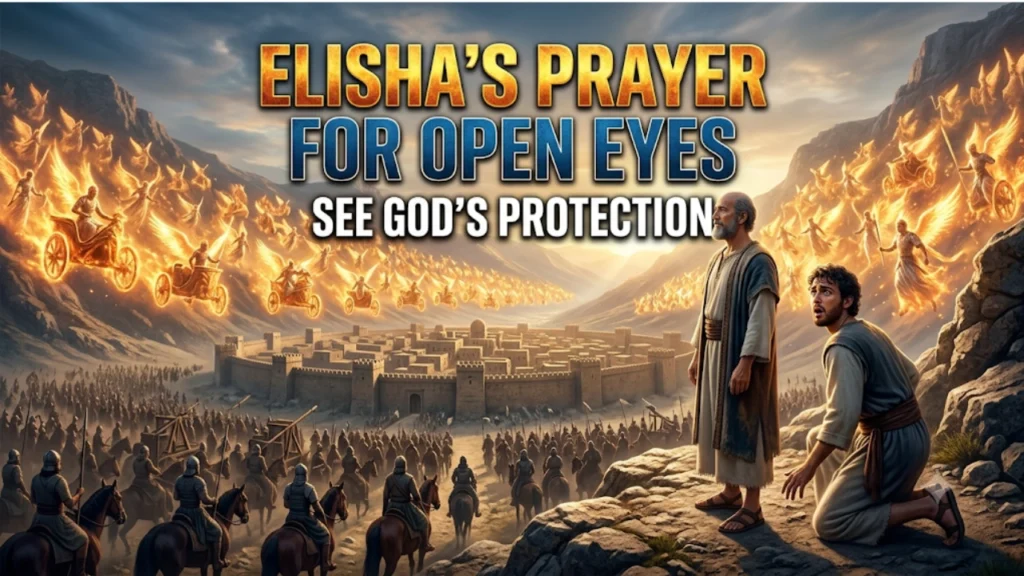
Elisha — The Prophet Who Prayed for Open Eyes
When the Syrian army surrounded the city, Elisha’s servant was terrified. Elisha prayed: “Lord, open his eyes so he may see” (2 Kings 6:17). The servant looked up and saw the mountains full of chariots of fire. Prayer can open our eyes to a spiritual reality that is far greater than our physical circumstances.
Characteristics of People Who Prayed in the Bible
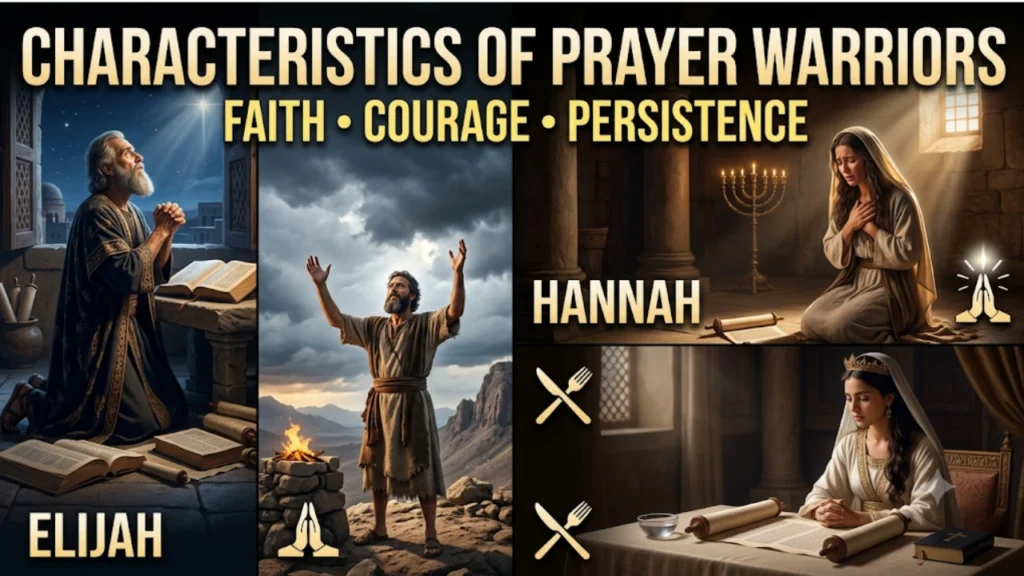
Every great biblical prayer warrior shared certain qualities. These are not personality traits — they are spiritual habits anyone can develop.
They were courageous. They approached God boldly, even in their brokenness. David came after adultery. Samson came after failure. The Canaanite woman came as an outsider. Hebrews 4:16 says to approach the throne of grace with confidence — not despite our weakness, but through it.
They were persistent. Elijah prayed seven times before the first cloud appeared (1 Kings 18:43–44). Daniel prayed for 21 days before an angel arrived with his answer (Daniel 10:13). They did not quit after one prayer.
They were earnest. Hannah’s prayer was so intense she appeared drunk (1 Samuel 1:13). Paul and Silas sang at midnight in chains. Earnest prayer is not about volume — it is about sincerity.
They were Spirit-led. Romans 8:26 says the Holy Spirit helps us in our weakness and intercedes for us “with groanings too deep for words.” The greatest prayer warriors in the Bible leaned on the Spirit when they did not know what to say.
They combined prayer with fasting. Daniel, Esther, Nehemiah, Anna, Jesus — all of them fasted. Research from Harvard Medical School suggests fasting can reduce inflammation and improve mental clarity. Biblical prayer warriors understood that denying the body sharpened the spirit.
They prayed the Word of God. Nehemiah quoted God’s own promises back to Him (Nehemiah 1:8–9). Daniel referenced the writings of Jeremiah in his prayer (Daniel 9:2). Praying Scripture is one of the most effective forms of faith-filled prayer.
What Can We Learn From People Who Prayed in the Bible?

Every story in the section above carries a lesson. Here are the most important takeaways for your own prayer life.
Pray specifically. Every powerful prayer in the Bible was targeted. Hannah prayed for a son — not just “children someday.” Jabez prayed for his specific territory. Hezekiah prayed about the specific letter in his hands. Vague prayers produce vague results.
Pray persistently. Jesus told a parable specifically about the need to pray and not give up (Luke 18:1). Jacob wrestled until dawn. The Canaanite woman refused every apparent rejection. Persistence is not a lack of trust — it is an expression of it.
Pray for others, not just yourself. Abraham prayed for Sodom. Moses prayed for Israel. Paul prayed for every church he planted. Stephen prayed for his killers. Intercession may be the most powerful form of prayer in the Bible. When you pray for others, you step into the role of a mediator — which is exactly what Jesus does for us (Hebrews 7:25).
Combine prayer with action. Nehemiah prayed AND built the wall. Esther prayed AND went to the king. Peter prayed AND knelt beside Tabitha’s body. Prayer is not a substitute for action — it is the fuel that makes action effective.
Pray with confession. Daniel confessed the sins of his entire nation, not just his own (Daniel 9:5). Ezra fell on his face and confessed. Nehemiah began his prayer with deep confession (Nehemiah 1:6–7). Confession clears the channel between you and God.
What competitors miss: The prayers of biblical figures did not only affect individuals — they shaped the destiny of nations. Abraham’s intercession preserved a remnant. Moses’s prayer spared an entire generation. Daniel’s prayers influenced the Babylonian and Persian empires. Your prayer life has a reach far beyond what you can see.
Frequently Asked Questions About People Who Prayed in the Bible
These are some of the most commonly asked questions about prayer in the Bible — answered directly from Scripture and research.
What does the Bible say about Alzheimer’s?
The Bible does not mention Alzheimer’s by name, but it speaks deeply to those walking through suffering, memory loss, and aging. Isaiah 46:4 says, “Even to your old age and gray hairs I am he, I am he who will sustain you.” God promises to carry us — even when our minds can no longer carry themselves. Psalm 23 offers comfort for those in the valley of confusion or darkness. For caregivers, the call in Galatians 6:2 to “bear one another’s burdens” is a powerful reminder that caring for a loved one with Alzheimer’s is itself an act of sacred, Christ-like love. Prayer for those with Alzheimer’s connects them to a God who never forgets — even when they do (Isaiah 49:15–16).
“Lord, when the mind grows dim and memory fades, let Your presence be the anchor that never moves. You know their name even when they forget their own. Carry them, Father. Amen.”
Can praying lower blood pressure?
Research says yes — and not just symbolically. A study published in the Journal of Behavioral Medicine found that regular spiritual practice, including prayer, is associated with lower blood pressure and reduced cardiovascular risk. A Duke University study found that people who prayed regularly had lower rates of diastolic blood pressure. Philippians 4:6–7 promises that prayer produces “the peace of God, which transcends all understanding” — and this peace has measurable physiological effects. When you pray, your cortisol levels drop, your nervous system shifts out of fight-or-flight, and your body begins to relax. Prayer is not just spiritual medicine — it has physical benefits too.
“God, I bring my body, my mind, and my stress to You. Let Your peace settle over me like a blanket — calming my heart, steadying my breath, and bringing rest to every part of me. Amen.”
Who in the Bible prayed and got results?
Many people in the Bible prayed and received clear, documented answers. Hannah prayed for a son and gave birth to Samuel (1 Samuel 1). Elijah prayed for rain after a three-and-a-half year drought — and it came (James 5:18). Hezekiah prayed for healing and received 15 more years of life (2 Kings 20:6). Daniel prayed for understanding and received one of the most detailed prophetic revelations in all of Scripture (Daniel 9). Peter prayed over Tabitha’s dead body — and she opened her eyes (Acts 9:40). The early church prayed for Peter in prison — and an angel freed him (Acts 12:7). In every case, the prayer was specific, the faith was real, and the answer was undeniable.
“Lord, I believe You are the same God who answered Hannah, Elijah, Hezekiah, and Daniel. You are still the God who answers prayer. I bring my need to You today, trusting that You hear and You respond. Amen.”
Who prayed for 100 years?
The Bible does not record a specific person who prayed for exactly 100 years, but it does give us examples of lifelong, generational prayer. Noah walked with God for centuries (Genesis 5–9). Enoch walked so closely with God through consistent communion that “God took him” (Genesis 5:24). Anna the prophetess prayed at the Temple for decades — possibly over 60 years of widowhood devoted to fasting and prayer (Luke 2:37). Abraham’s prayer life spanned more than 100 years of his life, from his calling in Genesis 12 to his final years. What the Bible does teach is the concept of generational intercession — prayers prayed by one generation that bear fruit in the next. Abraham prayed and it shaped Isaac. Isaac prayed and it shaped Jacob. Jacob’s wrestling shaped the nation of Israel. The prayers you pray today may not bear fruit in your lifetime — but they will bear fruit.
“Father, let my prayer life be a legacy. Let what I bring to You today become a blessing for those who come after me. I pray not just for my moment — but for my generation and the ones to come. Amen.”
How to Become a Person Who Prays Like the Heroes of the Bible
You have read 30 stories. You have seen 30 examples of what prayer can do. Now the question is personal: What kind of prayer life do you want to build?
The good news is that none of these biblical figures started as perfect prayers. Hannah was desperate. David was broken. Peter was impulsive. Daniel was far from home. What they all did was start — and then they kept going.
Be consistent. 1 Thessalonians 5:17 says to “pray without ceasing.” This does not mean praying 24 hours a day without pause. It means keeping an open, ongoing conversation with God throughout your day — just like you would with someone you love.
Be specific. Bring real needs, real fears, real names, and real situations to God. Specific prayer builds specific faith.
Be earnest. Do not just say the words. Mean them. Pour out your actual heart — the doubts, the anger, the confusion, the longing. God can handle your honesty far better than your performance.
Fast when it matters. When facing a major decision, a spiritual battle, or a long-awaited breakthrough, consider combining prayer with fasting. Esther did it before approaching the king. Daniel did it before receiving revelation. Jesus did it before His public ministry.
Pray for others. Become an intercessor. Lift up the people around you — your family, your city, your nation. Some of the most powerful prayers in the Bible were prayed for others, not just by those who needed something for themselves.
Let the Holy Spirit lead. Romans 8:26 is a comfort and a promise. When you do not know how to pray, the Spirit steps in. You do not have to have perfect words. You just have to show up.
“Lord, make me a person of prayer. Not occasionally. Not in crisis only. But daily, consistently, and faithfully. Teach me to pray like Hannah, persist like Jacob, intercede like Moses, and worship like David. Let my name be known in heaven as someone who talked to You. Amen.”
Here is the question to close with: If the Bible were being written today — and it included a list of faithful people who prayed — would your name be on it?
It still can be. Start today.
All Scripture references are from the New American Standard Bible (NASB) unless otherwise noted. Statistics referenced from Pew Research Center, Duke University, Harvard Medical School, and the Journal of Behavioral Medicine.

Caption Looms is a creative platform dedicated to helping users find engaging and ready-to-use captions for social media. The site provides curated caption ideas for platforms like Instagram and TikTok, making it easier for creators to express their thoughts, boost engagement, and enhance their online presence with the perfect words.